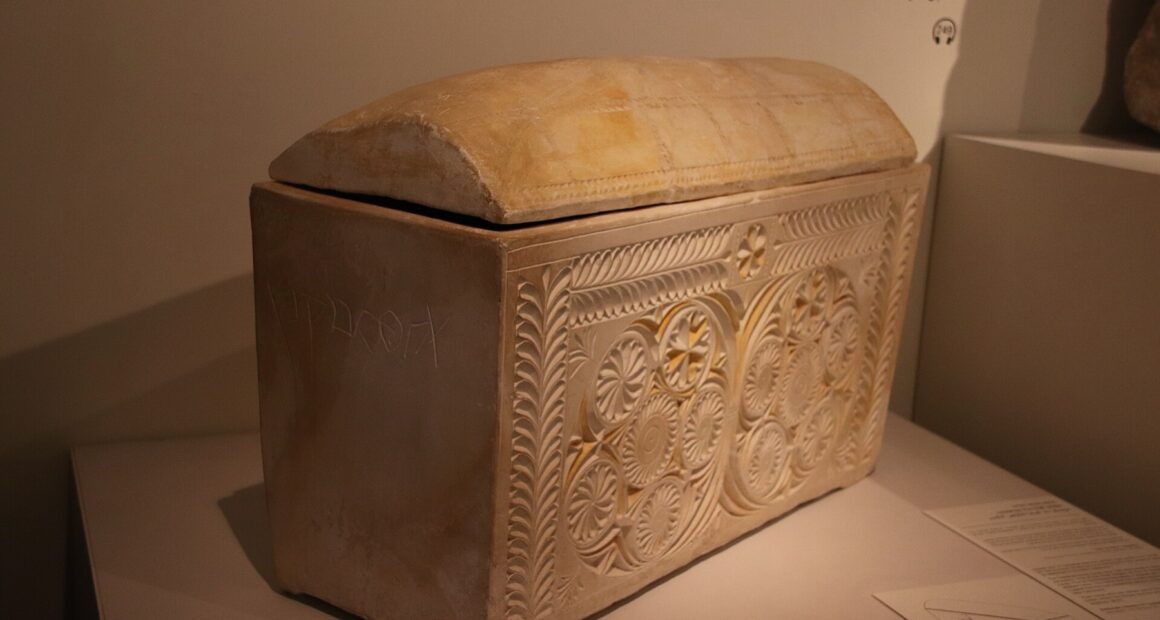
In many cultures the dead are buried twice: first for a time, then for good. From Robert Hertz’s classic study to Madagascar’s famadihana, rural Greece and the ossuaries of ancient Jerusalem.
Browsing Category
Death Customs
11 posts
How people have cared for, mourned and remembered the dead, from ossuaries and mourning dress to burial rites around the world.
Sky Burial: Giving the Dead to the Birds in Tibet
In Tibet the dead have long been carried to a mountain site and given to vultures. What the historical sources say about sky burial, why the practice developed, and what is still unknown.
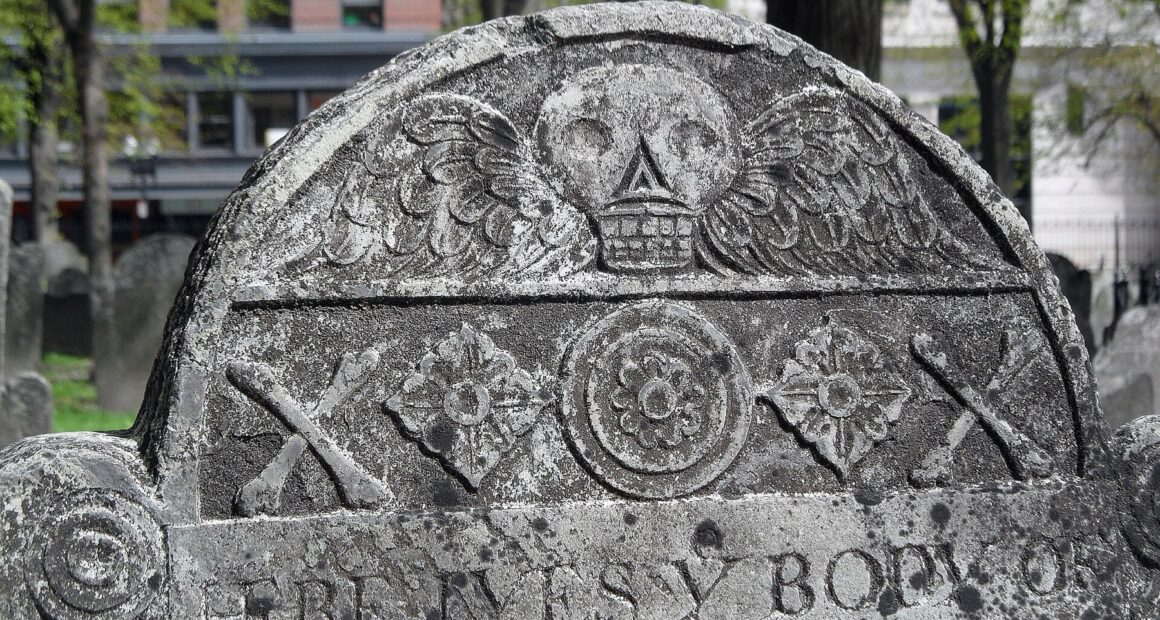
Tombstone and Graveyard Symbolism: Skulls, Cherubs, Urns and Willows
Winged skulls, hourglasses, cherubs, urns and willows: how gravestone designs changed in early New England, what archaeologists learned from counting them, and why every symbol guide should be read with caution.
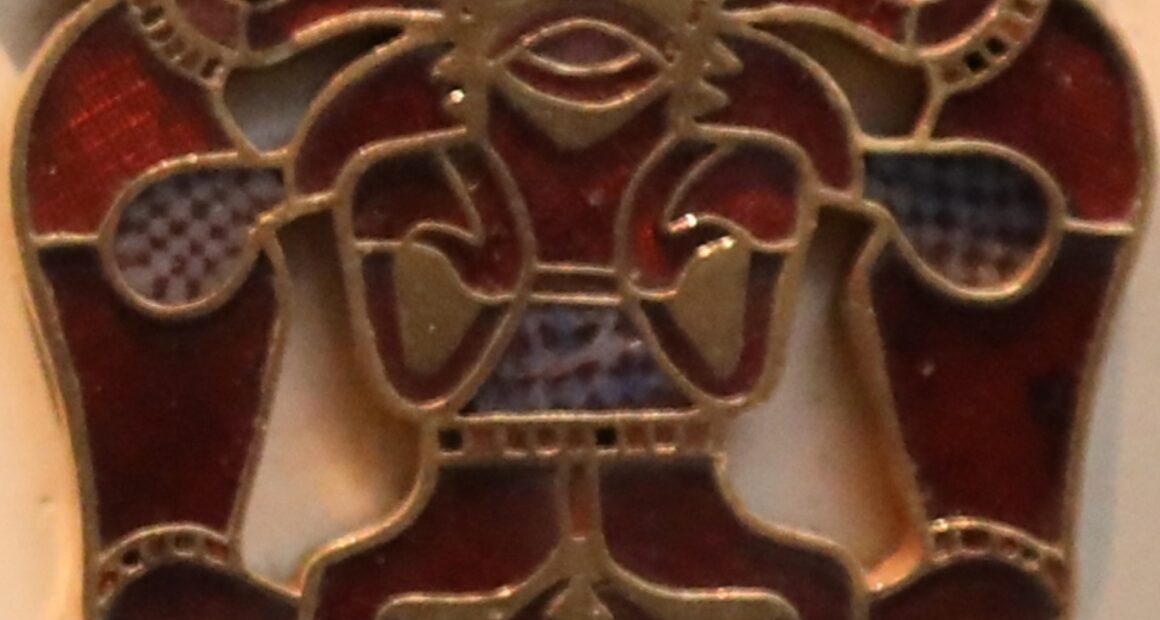
Grave Goods and Burial Coins: Charon’s Obol to Sutton Hoo
Did the Greeks really put a coin in the mouth of the dead to pay the ferryman? What archaeology shows about Charon’s obol, the gold coins in the Sutton Hoo purse, and why people buried objects with the dead.
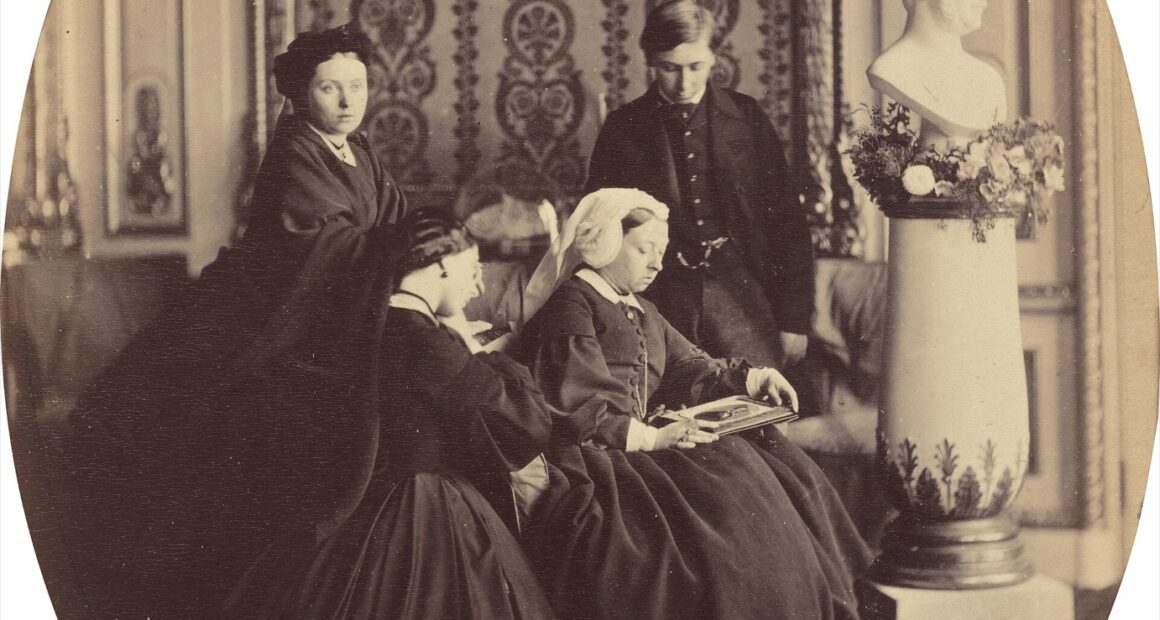
Victorian Mourning Rituals: Crape, Black Borders and a Queen in Black
After Prince Albert died in 1861, Queen Victoria wore mourning for the rest of her life and set the tone for a whole culture of crape, black-bordered letters and mourning warehouses. What the records show.
Mourning and Memento Mori Jewelry: Rings, Hair and Whitby Jet
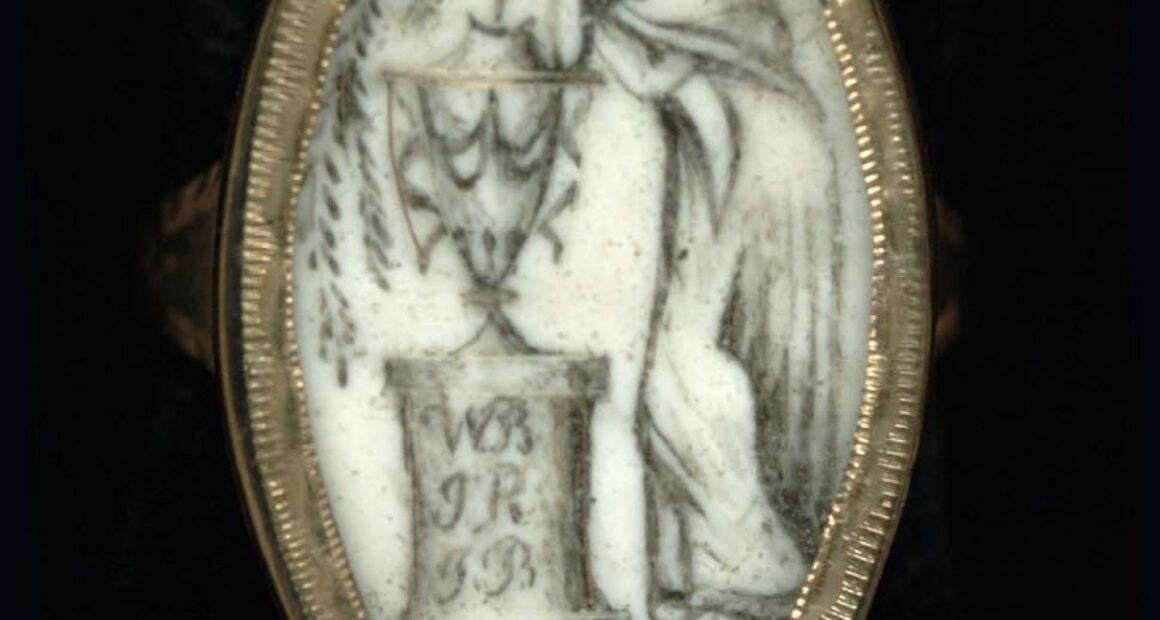
Skull rings that said “remember you must die”, gold rings handed out at funerals, brooches woven from a loved one’s hair, and the Whitby jet boom after Prince Albert’s death: the history of mourning jewellery.
Death Masks: Faces Cast After the Last Breath
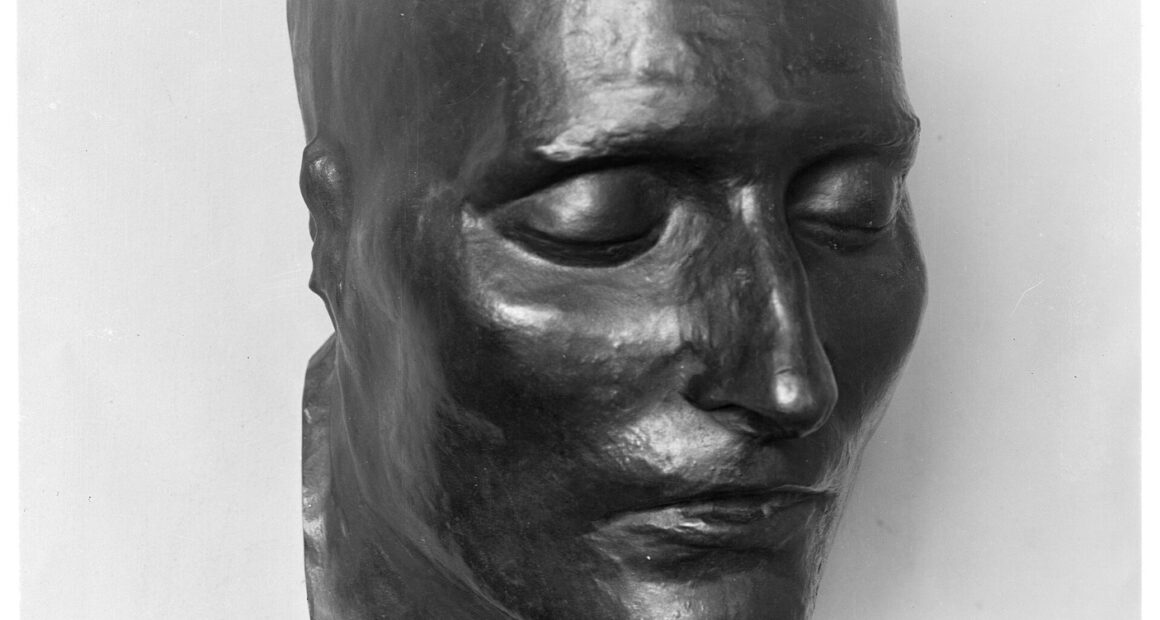
Royal funeral effigies, Napoleon on St Helena, Beethoven in Vienna, and the unknown woman whose face became a resuscitation dummy: what death masks were for, and how to tell them from life masks.
Wakes and Vigils: Why the Living Sat Up With the Dead
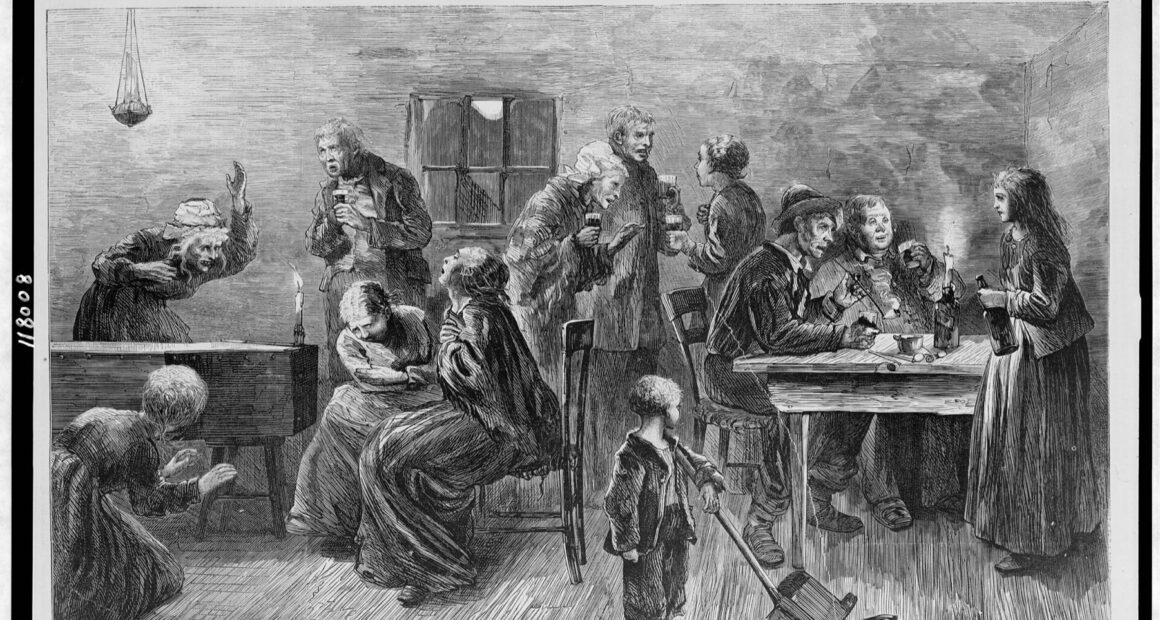
Wakes were not held to see whether the dead would wake up. The word means a watch, and keeping watch over the body is one of the oldest duties of mourning, from Irish wakes to Jewish shemira.
Charnel Houses and Ossuaries: Where Europe Kept Its Bones
From medieval English charnel chapels to the Paris Catacombs, Sedlec and Hallstatt, ossuaries were built for crowded churchyards and for prayer. What the records say, and which numbers are guesses.
Safety Coffins and Burial Bells: The Inventions Against Being Buried Alive
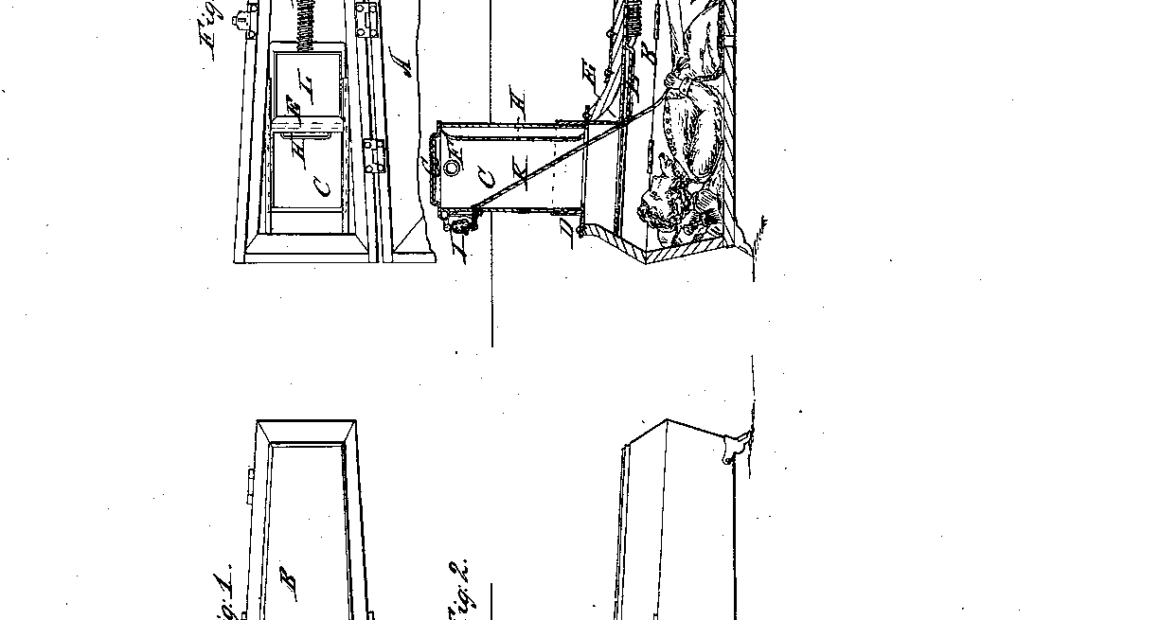
From the 1790s to the 1890s, inventors patented coffins with air tubes, ladders and bells for people buried by mistake. The designs were real; a documented rescue is not.