
TL;DR
To build a Southern Gothic horror reading list, start with a few influential works, then add contemporary books and short fiction that explore different Southern places, histories, voices, and kinds of dread. Label adjacent genres, explain each book’s context and horror elements, and include brief content notes so readers can choose a path that suits them.
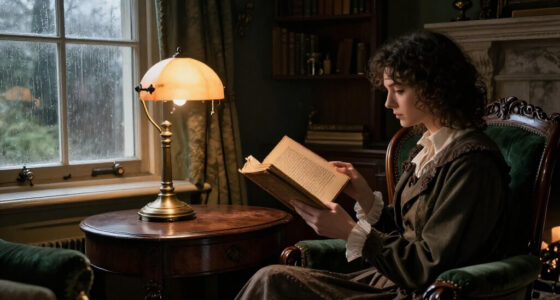
A Southern Gothic story can make a quiet house feel watchful and an ordinary family history feel like a locked door you should not open. The genre draws its dread from the American South’s landscapes, communities, and past, but there is no single set of boxes a book has to tick.
If you’re building a reading list, that variety is the point. Pair influential stories with contemporary novels, note where the horror comes from, and pay attention to whose perspective each work gives you. The result can be a strong reading path through haunted places, family secrets, historical memory, and the sharp regional voices that make the tradition linger.
Start with a mix of short fiction and novels so you can compare the genre’s compact scares with its longer family and historical arcs.
Organize books around haunted places, family secrets, or historical memory, while noting that titles can fit more than one path.
Label Southern Gothic fiction that is not horror in the narrow sense, and identify adjacent genres such as speculative fiction or Southern noir.
Give each pick a brief note on setting, horror elements, context, tone, and relevant content.
Balance influential older works with contemporary writers and a range of perspectives; do not present a few canonical authors as the whole tradition.
A reader’s field guide · Southern Gothic
How to Build a Reading List Around Southern Gothic Horror
Start with influential voices, then follow the dread across haunted places, family secrets, and history that refuses to stay buried. A strong list makes room for different eras, forms, and perspectives.
Build a path, not a checklist
Southern Gothic horror blends Gothic decay, secrets, haunting, and dread with the American South’s landscapes, histories, and social tensions. There is no single set of boxes every book must tick.
Mix short fiction and novels to compare compact scares with longer family and historical arcs.
Group books by haunted places, family secrets, or historical memory; titles may fit several paths.
Label adjacent genres such as Southern noir or speculative fiction, and clarify when a book is Gothic but not horror in the narrow sense.
Give each pick a short note on setting, horror elements, context, tone, and relevant content.
Balance influential older works with contemporary writers and a range of perspectives.
Build your first five picks
Choose different voices and eras instead of repeating one haunted-house setup. This sequence moves from a compact story to wider family and historical contexts.
- 1Begin with a story
William Faulkner
“A Rose for Emily” brings decay, secrecy, and a town’s uneasy gaze into a compact form.
- 2Add another voice
Flannery O’Connor
Her stories use unsettling characters and dark humor to expose what communities conceal.
- 3Vary the unease
Carson McCullers
The Ballad of the Sad Café offers an eccentric, isolated world; describe its Gothic qualities without promising narrow-sense horror.
- 4Follow memory
Toni Morrison
Beloved binds haunting and memory to the history of slavery and its legacy.
- 5Reach the present
Jesmyn Ward
Sing, Unburied, Sing connects family history and racial injustice with haunting.
Start with the story’s pressure points
Place can act like a character with its own agenda. A decaying house, swamp road, or town bound by a shared story can shape what characters believe is possible.
Landscape with agency
Ruined plantations, isolated towns, swamps, rural roads, and decaying houses set the mood and narrow the characters’ choices.
History returns
Family secrets, inherited guilt, historical violence, and unresolved trauma may return as literal hauntings or social realities.
What a community hides
Race, class, religion, gender, and the legacies of slavery and segregation shape many works. Ask whose perspective is present—and whose is missing.
Grotesque and unsettling
Eccentric or morally compromised characters can expose the values a community would rather leave unexamined.
Ghost, curse, or uncertainty
Some stories confirm supernatural events; others leave the source of fear ambiguous. Both can create Gothic dread.
Humor beside horror
Satire, heightened language, and local speech can sit alongside violence and unease, sharpening a story’s regional voice.
Follow a theme through the shelf
Three paths make a reading list easier to navigate. They are a starting map, not strict categories: a house may hold a family secret, and a haunting may give unresolved history a literal shape.
| Reading path | Look for | Example starting point |
|---|---|---|
| Haunted places | Houses, roads, swamps, or towns that shape the story | Faulkner’s “A Rose for Emily” |
| Family secrets | Inherited silence, guilt, and uneasy relationships | Faulkner’s Absalom, Absalom! |
| Historical memory | The past’s effects on people and communities in the present | Morrison’s Beloved |
Make room for contemporary voices
Contemporary writers revisit haunted landscapes, troubled families, and buried histories through different voices and forms. Many works cross into literary fiction, historical fiction, fantasy, or crime; explain the connection instead of assuming every dark Southern story is horror.
Jesmyn Ward
Sing, Unburied, Sing brings family history, racial injustice, and haunting together in a contemporary setting.
P. Djèlí Clark
His fiction offers another route through Southern settings and history by way of speculative storytelling.
More than a canon
Consider Eudora Welty, regional folklore, short fiction, and other perspectives. Canonical works cannot stand in for the whole South.
TRADITION
Give readers a reason—and a choice
After each selection, write one concise note about setting, horror elements, historical context, and tone. Add relevant content notes for themes such as racism, sexual violence, abuse, or graphic violence so readers can choose a path that suits them.
A short story can offer an accessible first evening; a novel can give a family or community history room to unfold. Let the notes explain why each work belongs and how its approach differs from the books around it.
Start with the features that make a story feel Southern Gothic
Southern Gothic horror blends Gothic elements—decay, secrets, haunting, and dread—with the landscapes, histories, and social tensions of the American South. A story may use ghosts, but it can also build its fear through a family’s silence, an unequal social order, or a community that refuses to confront its past.
Place often acts like a character with its own agenda. A decaying house, a swamp road, or a town where everyone knows the same old story can shape what characters believe is possible. In William Faulkner’s “A Rose for Emily,” an old house and a town’s wary attention help create unease; in Toni Morrison’s Beloved, memory and haunting are bound to the history of slavery. Their approaches differ, but both make the past press into the present.
When you choose a book, ask what kind of dread it uses. Does it rely on the supernatural, grotesque characters, dark humor, social menace, or several at once? A story can be Southern Gothic without being horror in the narrow sense, so label that overlap clearly instead of treating every dark Southern story as the same thing.
A useful test: Ask what the story makes frightening, and how its Southern setting shapes that fear.
For example, you might pair a ghost story with a tale where the haunting stays ambiguous. That comparison shows how Southern Gothic horror can work even when the book never confirms a ghost.
Popular right now

KitchenAid Classic Series 4.5-Quart Tilt-Head Stand Mixer, Onyx Black

Breville Bambino Espresso Machine, Brushed Stainless Steel (BES450BSS)

Sony BRAVIA 5 85-Inch Mini LED 4K HDR Smart TV (K-85XR50)
As an affiliate, we earn on qualifying purchases.
Build your first five picks around different voices and eras
To build a Southern Gothic horror reading list, start with works that show different eras, forms, and points of view rather than five books that repeat one haunted-house setup. A short story offers a quick entry; a novel gives a community or family history more room to unfold.
- Begin with a short story: William Faulkner’s “A Rose for Emily” introduces decay, secrecy, and a town’s uneasy gaze in a compact form.
- Add another influential voice: Read stories by Flannery O’Connor, whose unsettling characters and dark humor can expose what a community would rather keep hidden.
- Include a different kind of Southern unease: Carson McCullers’s The Ballad of the Sad Café offers an eccentric, isolated world; describe its Gothic qualities without promising that it is horror in the narrow sense.
- Make room for historical memory: Toni Morrison’s Beloved brings haunting into a reckoning with slavery and its legacy.
- Reach a contemporary novel: Jesmyn Ward’s Sing, Unburied, Sing connects family history and racial injustice with haunting.
This sequence moves from a short, unsettling story into books with broader historical and family contexts. You can swap in Eudora Welty’s fiction or Faulkner’s Absalom, Absalom! for another influential angle, while noting that canonical works cannot stand in for the whole South.
Picture a reader with only a few evenings free: starting with a short story gives them a feel for the tradition before they commit to a longer novel. After each pick, write one sentence about its setting, horror elements, context, and tone. Those notes explain why the book belongs on your list.
Follow haunted places, family secrets, or the past that returns
You can make a Southern Gothic horror reading list easier to follow by organizing it around the kinds of dread you want to explore. Three useful paths are haunted places, family secrets, and historical memory; each draws on familiar Gothic concerns but gives your reading a distinct focus.
| Reading path | What to look for | Example starting point |
|---|---|---|
| Haunted places | Houses, roads, swamps, or towns that shape the story | Faulkner’s “A Rose for Emily” |
| Family secrets | Inherited silence, guilt, and uneasy relationships | Faulkner’s Absalom, Absalom! |
| Historical memory | The past’s effects on people and communities in the present | Morrison’s Beloved |
These paths overlap. A house can hold a family secret; a haunting can give a community’s unresolved history a literal shape. The table gives you a starting map, not a strict classification system, because a book may belong in several places at once.
For a practical example, select one title from each row and read them over a month. After each book, note whether the setting creates dread, whether the secret belongs to one family or the wider community, and what the story leaves unresolved. Those questions help you see how Southern Gothic horror changes its methods while keeping the past close.
Add contemporary books without treating the tradition as new
Contemporary Southern Gothic writing often revisits haunted landscapes, troubled families, and buried histories through newer works and forms. Writers also cross into literary fiction, historical fiction, fantasy, crime, and other neighboring genres, so explain the connection instead of assuming every dark Southern story belongs to horror.
Jesmyn Ward’s Sing, Unburied, Sing gives a reader a contemporary novel where family history, racial injustice, and haunting meet. P. Djèlí Clark’s fiction can offer another route through Southern settings and history in speculative forms. These books do not replace older works; they let you compare what changes when different writers approach the region and its history.
That comparison matters because Southern Gothic has long engaged with power, memory, and social tension. Contemporary books bring distinct voices and forms to enduring concerns, including contested memory, migration, racial violence, and environmental change. Avoid framing this as a sudden reinvention. A useful note might say that a work draws on Southern Gothic motifs while also moving through speculative fiction.
For example, if your shelf already leans toward classic short stories, add one contemporary novel and ask what it does with family history or place that your earlier selections handle differently. Your list should show the breadth of the tradition, not imply that a handful of canonical writers represent every Southern experience.
Give each book a short note on context, tone, and content
A good Southern Gothic horror reading list gives readers enough context to understand each pick’s setting, horror elements, historical frame, and tone. That small note can help someone choose between an ambiguous haunting, a socially grounded story, and a book that addresses difficult historical violence.
Race, class, religion, gender, and the legacies of slavery and segregation can shape a work’s conflicts and perspective. Describe those contexts directly and respectfully. Avoid reducing racism or violence to a spooky plot device; explain whose experiences the story centers and, where relevant, whose it leaves out.
Specific content notes help readers make an informed choice without giving away the plot. If a book involves racism, sexual violence, abuse, or graphic violence, name the relevant material briefly. A reader choosing between two books for a weekend might welcome a note that one deals with racial oppression and haunting while another relies more on dark humor and family secrecy.
Tone deserves the same care. A book may mix dread with satire or heightened language; regional speech can add texture, but a reading note should not present caricature as authenticity. For each selection, a sentence on tone gives readers a sense of the experience before they start.
When a work draws on regional legends or religious traditions, distinguish documented folklore from the author’s fictional treatment. That distinction respects living traditions and keeps your list useful: a reader can tell whether the supernatural material comes from a recorded legend, an invented story, or an ambiguous blend.
Choose a reading order that fits your time and taste
The best order for your Southern Gothic horror reading list depends on how you like to read: you can move from short fiction to novels, follow a theme, or alternate older and newer works. A steady sequence lets you notice changes in voice and form without making the list feel like homework.
If you’re new to the genre, begin with a short story, then read a novel that expands the historical or family context. After that, choose a contemporary work and compare its use of place, memory, and fear with the earlier book. A short story can give you the atmosphere in one sitting; a novel can let the consequences settle over a longer stretch.
If you already read Southern Gothic fiction, try a themed sequence instead: one selection centered on a house or town, one on family silence, and one on historical memory. You could read “A Rose for Emily,” then move to Beloved, followed by Ward’s Sing, Unburied, Sing. That order shifts the scale from a town’s unsettling story to wider reckonings with family and history.
Keep your notes short enough to use. Record the book, the reason you chose it, its main source of dread, and a content note if helpful. The goal is a strong reading path that leaves space for curiosity; if a book opens a new route into Southern noir or speculative fiction, add it with a label that shows how it connects.
Keep the list broad enough to show what one shelf cannot
A Southern Gothic horror reading list works best when it shows a tradition rather than claiming to define it. A handful of books can introduce recurring motifs, but no short list can represent every Southern community, history, or literary voice. Make your choices and their limits visible.
Include different formats where they suit your readers. Short fiction works well for a reading group with limited time, while novels make room for layered histories and shifting points of view. You can also mention adjacent forms such as Southern noir, regional folklore, or speculative fiction, as long as you identify the connection rather than filing them all under horror.
Imagine sharing the list with a friend who wants more than one kind of haunting. They might prefer an ambiguous story one week and a contemporary novel the next. Brief labels—“short story,” “literary Gothic,” “speculative,” or “supernatural horror”—let them pick a route without flattening the differences between books.
As your list grows, revisit the balance. If all your selections come from one era or perspective, seek another work that adds a distinct voice or approach. That does not mean every reading list must be exhaustive; it means you can be clear about what your selection offers and what it leaves open for the next reader.
Frequently Asked Questions
What is Southern Gothic horror?
Southern Gothic horror is Gothic storytelling rooted in the American South, often marked by decay, uneasy characters, social tension, and a past that intrudes on the present. It may feature ghosts or other supernatural events, but it can also create fear through history, family secrets, or menace within a community.
How is Southern Gothic fiction different from Southern Gothic horror?
Southern Gothic fiction can feel disturbing without making horror its main purpose. Horror tends to foreground fear, dread, menace, or the supernatural, though the boundaries overlap. When you make a reading list, label that overlap so readers know what kind of experience each book offers.
Where should a beginner start?
Start with a short story such as Faulkner’s “A Rose for Emily,” then pair it with a novel such as Morrison’s Beloved or Ward’s Sing, Unburied, Sing. The short story introduces an atmosphere quickly; the novel lets you follow history, family, and haunting across a broader arc.
Does every Southern Gothic horror book need ghosts?
No. Some stories use ghosts or curses, while others build dread from a family secret, a threatening social order, or a community’s refusal to face its history. An uncertain haunting can work too, leaving you to weigh supernatural and social explanations.
How can I include difficult themes responsibly?
Give brief, specific content notes for material such as racism, sexual violence, abuse, or graphic violence. Add historical context where it helps, and explain whose perspective the story represents without reducing real histories to a source of atmosphere.
Conclusion
Build your list around the kinds of fear you want to understand: a house that keeps its secrets, a family that cannot escape its history, or a haunting that makes the past impossible to ignore. Pair a few influential works with contemporary voices, and give each selection a clear note about its setting, context, and tone.
Then leave room on the shelf for the next voice you haven’t heard yet. Southern Gothic horror is at its most revealing when the old house opens onto a larger story.
Halloween Picks

8.5 Foot Halloween Inflatable Haunted House Castle with Skeleton, Ghost & Skulls

Haunted Hill Farm 2-Ft. Zombie Raccoon Halloween Animatronic

10 ft Halloween Inflatable Archway with Built-in LEDs
As an affiliate, we earn on qualifying purchases.