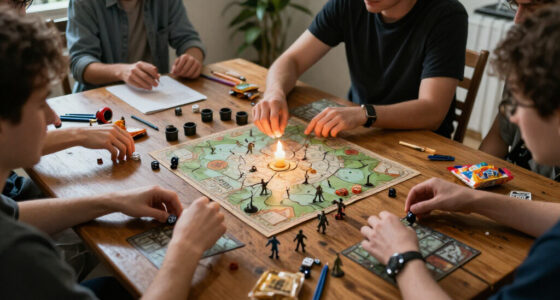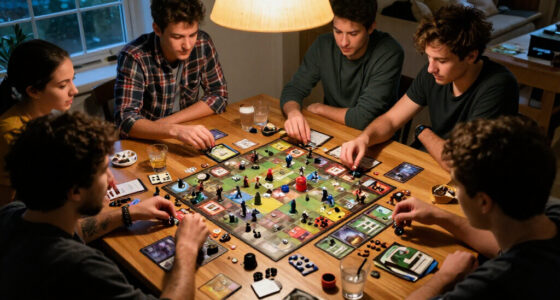
TL;DR
A good horror TTRPG starter set gives you enough rules to play, a guided first adventure, distinct characters, and clear help for the game master. Match its horror style and complexity to your group, check how it handles boundaries and digital or physical extras, and confirm whether it is self-contained or a preview of a larger game.
A box can promise monsters, locked doors, and a storm outside, yet still leave your game master wondering what happens next. A strong horror TTRPG starter set gives your group a clear path into play while making room for the silences, suspicions, and hard choices that make a frightening session work.
When you compare sets, look beyond the cover and count of accessories. You’ll want to know what kind of horror the game supports, how quickly your group can learn it, what the first adventure asks of the GM, and whether its characters and table guidance help everyone feel invested and comfortable.
This guide gives you a practical way to judge those details before you buy. It also helps you spot what “beginner-friendly” means in a particular set, what the physical or digital components actually add, and whether the introductory rules are enough for another night of play.
Match the set’s horror style to the group’s taste; a vivid premise alone does not guarantee suspense.
Check whether beginner support means clear rules, a guided adventure, pre-generated characters, GM advice, or some combination.
Look for a first scenario with an opening hook, useful clues, rising pressure, and meaningful player choices.
Agree on boundaries and a way to pause or adjust intense scenes before play begins.
Verify what physical and digital materials are included, whether the introductory rules are self-contained, and what your group still needs.
What to Look for in a Horror TTRPG Starter Set
A strong starter set gives your group a clear way to begin and helps the GM build suspense. Match its horror style, learning curve, and table support to your group.
Match the horror to your group
The rules and first adventure should deliver the kind of fear your players enjoy.
Choose the style
Look for eerie investigation, gothic dread, survival horror, cosmic terror, or slasher stories that suit your table.
Make room to agree
Check for content notes and discuss what to avoid, soften, or leave offstage before play.
Check how the set gets you playing
“Beginner-friendly” can mean several kinds of support; see which ones are included.
| Support | What it helps with |
|---|---|
| Clear rules and examples | Resolve scenes without losing momentum |
| Pre-generated characters | Start with motivations and relationships |
| GM advice and references | Run threats, clues, and pacing |
Look for an adventure with a path
A useful first scenario supports the GM while leaving players room to shape events.
A gripping opening gives the characters a reason to get involved.
Clear clues and rising tension help the group make meaningful choices.
Player decisions can change what happens instead of following one hidden trail.
Check what comes with it
Physical and digital extras vary, and an introductory set may not be a complete core game.
- Rules, adventure, and character sheets
- Dice, maps, handouts, or reference cards
- Downloadable materials for digital play
- Check what must be printed or downloaded
- Confirm whether online play needs separate tools
- See whether the rules stand alone or lead to a full game
Start with the kind of horror your group wants to play
A horror TTRPG starter set is a better fit when its tone matches the kind of fear your group enjoys, whether that means eerie investigation, gothic dread, desperate survival, cosmic terror, or a slasher-style chase. Read the product description for that tone, then check sample pages or the opening scenario to see how it plays at the table. A sinister cover cannot tell you whether the sessions lean on clues, scarce supplies, or graphic scenes.
Picture a group that loves puzzling over old letters and listening for footsteps in an empty hotel. An investigation-led game may give them more of what they want than a survival system focused on ammunition and injury. A different table may prefer the tension of a failing generator and a map with only one safe route. Neither taste is the correct one; the useful question is whether the rules and adventure support it.
Horror can also vary in intensity. One group may welcome a bleak supernatural mystery while another wants spooky fun with room for jokes between tense scenes. Check for content notes and use the first conversation at the table to name subjects players want to avoid, soften, or leave offstage. The set does not have to dictate one method, but your group needs a way to agree on what belongs in the game.
A vivid premise makes a promise. The rules and scenario reveal whether the game can keep it.
Be especially wary of treating graphic content as a shortcut to a frightening game. Suspense, uncertainty, and choices with consequences can carry a session without asking players to linger on disturbing detail. For example, deciding whether to trust a frightened witness can create more memorable tension than simply listing another monster’s grisly features.
Popular right now

Philips Café Aromis Automatic Espresso Machine with LatteGo Pro Milk System

KitchenAid Artisan 5-Qt Tilt-Head Stand Mixer – Dried Rose (KSM150PS)

De'Longhi Rivelia Fully Automatic Espresso Machine with Milk Frother, White
As an affiliate, we earn on qualifying purchases.
Check that the rules teach you to play without eating the evening
A useful horror TTRPG starter set explains just enough rules for your group to begin, then makes common decisions easy to look up during play. Look for clear procedures, worked examples, and a quick-reference sheet; these keep everyone focused on clues, character choices, and atmosphere instead of searching through a dense rulebook. “Beginner-friendly” can mean different things, so check exactly what kind of help is included.
Imagine a first session in which a character hears a soft tap-tap from a locked room. The GM needs to know how to handle a risky investigation or a sudden threat. If the rules explain what to roll and how the result changes the situation, the scene can move forward. If the procedure is vague, the GM may have to invent a ruling while the tension leaks out of the room.
Pay attention to the mechanics the game uses to create pressure. Fear or stress rules can make a character’s reaction part of play; injury or scarce supplies can make danger feel costly; investigation procedures can keep clue-finding from becoming a string of guesses. Those mechanics should suit the intended horror. A system built around resource scarcity may feel wrong for a dreamlike mystery where unease matters more than equipment.
Check what you need to bring, too. Some sets include dice and ready-to-use sheets, while others rely on printable or downloadable materials. A starter set should help you start, but it may still assume you own pencils, tokens, or access to a printer. Find that out before game night, not after everyone has gathered around the table.
For a new group, a few examples of play can matter as much as a short rulebook. They show how a conversation, a clue, and a dice roll fit together. If the game includes pre-generated characters and reference cards, you can begin sooner; if it gives only rules, plan for more preparation before your first session.
Choose a first adventure that builds dread through player choices
A strong first adventure gives the GM a gripping opening, clues that lead somewhere, escalating pressure, and room for the players to change events. It should introduce the game’s style while supplying enough structure to run the session without inventing major pieces on the spot. An adventure can be mysterious without leaving the GM to guess what the characters are meant to discover.
Consider a scenario that opens with a package arriving at a rain-darkened house. The letter inside points to a missing person, but the neighbors disagree about when they last saw them. A useful adventure gives the GM specific clues to share, a reason the characters care, and ways the situation can worsen if they wait. That lets the players make decisions instead of following a single hidden trail.
Look for a visible arc: an opening that gives the group a reason to act, discoveries that reshape their understanding, and a final situation where their choices matter. Clear clues do not mean an obvious solution. If three different details suggest the old chapel, players can still debate whether to go there, question the caretaker, or protect someone at home first.
Play-time estimates can help you plan, though your group may take longer if it enjoys character scenes or follows an unexpected lead. A one-session scenario may run several hours; a sprawling investigation can take multiple meetings. If your group has a free Saturday evening, a short contained mystery may suit you better than an adventure with many locations and unresolved threads.
Finally, notice how the adventure handles character motivation. A group of strangers with no shared reason to stay together can slow down at the first sign of danger. Pre-generated characters with relationships—a sibling who doubts your story, a colleague who owes you a favor—give players an immediate reason to keep talking when the house goes quiet.
See whether the starter set gives the GM help at the right moments
A good starter set supports the GM with practical advice on pacing scenes, revealing information, portraying threats, and responding to player theories. These tools let a first-time GM build tension without scripting every conversation or hiding every clue behind a perfect roll. Strong guidance makes a scenario easier to run and gives the group more room to surprise itself.
For example, a GM might want a threat to feel close without showing it too early. Advice on what to foreshadow—an upstairs floorboard creaking, a phone ringing in an empty room—gives that moment shape. Clear notes about what the threat wants and what changes when players act also help the GM respond when the characters leave the planned path.
Look at the adventure’s layout. Can you spot the important information while the players wait? Are clues easy to distinguish from background description? Does it explain what happens if the group misses a detail or suspects the wrong person? A beautifully written passage can be hard to use at the table if the GM must repeatedly stop and reread it.
GM support can also make room for table expectations. Horror works best when the group shares an understanding of the material and can pause to adjust it. A session-zero conversation can cover tone, boundaries, and how players signal that they want a scene softened or skipped. Some groups use tools such as lines and veils or a pause signal; the key is agreeing on a process that feels usable to everyone.
Try this test while browsing: imagine running one tense scene from the set next week. If you can quickly identify what the characters know, what the threat does, and what choices follow, the book is doing useful work for you. If you need to invent the scene’s core logic, expect a heavier preparation load.
Compare the characters, extras, and learning curve as one package
The best horror TTRPG starter set for beginners combines manageable rules with characters and components that make the first session feel ready to play. Pre-generated characters, reference sheets, maps, dice, and handouts can all help, but their value depends on whether they are clear, usable, and connected to the adventure. A table full of accessories cannot make up for a confusing scenario.
Use this quick comparison when you inspect a set’s contents:
| What to check | Why it helps | What to look for |
|---|---|---|
| Character sheets | Give players a quick starting point | Distinct motives, abilities, and relationships |
| Reference material | Reduces page flipping during tense scenes | Readable rules summaries or cards |
| Maps and handouts | Make places and clues easier to share | Legible print, useful labels, and practical size |
| Digital files | Support remote or printer-based play | Clear download details and included formats |
| Rules and adventure | Show what the introductory set actually teaches | Enough material for the promised play experience |
Suppose your group meets online. A printable clue might be perfect if it comes as a clean digital file, while a small physical handout adds little unless someone can show it to the camera. For an in-person group, a legible map on the table may earn its space. Check whether digital play requires separate software or purchases, and whether any essential sheets must be downloaded.
Characters deserve more than different names and statistics. If one character distrusts the local historian while another has a reason to protect them, the players have something to role-play before the first monster appears. These connections create investment, and investment gives later danger weight.
Ask whether the starter set is a complete introductory experience or mainly a preview of a larger game. If the first adventure is self-contained, you can try the system without committing to more books. If core procedures or character options sit in the full rulebook, account for that before deciding the set offers everything your group needs.
Use this short checklist to make a confident choice
You can judge a horror TTRPG starter set by checking a few concrete details in a sensible order: tone, table support, adventure, practical components, and what the set includes beyond its first session. This keeps a dramatic cover or a long accessories list from making the decision for you. Your group’s preferred play style is the best measure of value.
- Name the horror you want. Decide whether your group wants investigation, survival, gothic mood, cosmic unease, or another style. If your friends want a slow mystery, look for clues and social scenes in the sample adventure.
- Count the support for your experience level. Check for concise rules, examples, pre-generated characters, and GM advice. For a first-time GM, a guided opening can be more useful than a dozen optional character builds.
- Read the scenario premise and structure. Look for a clear hook, multiple clues, rising pressure, and meaningful choices. Check any play-time estimate against the evening you have available.
- Confirm table comfort and intensity. Review content notes where available, and agree on boundaries before play. A group can preserve suspense while adjusting scenes that do not suit its players.
- Check what you receive and what you still need. Verify whether dice, maps, digital files, or the full rules are included. If you play remotely, confirm that the materials work for your setup.
For instance, say your group has two beginners, one experienced GM, and a three-hour window. A focused investigation with pre-generated characters, a clear GM guide, and a single-session estimate may fit better than a larger survival campaign whose first chapter ends on a cliffhanger.
Price and replay potential deserve a final look, but judge them alongside what is actually included. An adventure with decisions that change its outcome may be replayable; a linear mystery may work best as a one-time evening. Neither format is automatically better. You are choosing the kind of first experience your group wants.
Treat a starter set as a first session, not a universal ranking
No single horror TTRPG starter set is right for every beginner, because groups differ in tone, experience, time, and appetite for rules. The best choice is the one that makes your group’s first session easy to begin and satisfying to play. That usually means a clear adventure, rules suited to its kind of fear, and enough GM support to keep the evening moving.
A group that loves improvising may prefer a lean system with open prompts; a new GM may value a detailed scenario and explicit guidance. A remote group may care most about printable sheets and shareable maps, while collectors meeting in person may enjoy tactile cards and a handsome booklet. These preferences change what “good value” means from one table to another.
Horror also gains strength from what players do not know. A set that slows down to explain every mechanical option may leave less attention for the scrape behind the cellar door. On the other hand, rules about stress, injury, or dwindling supplies can create exactly the pressure your group wants. The test is whether each mechanic helps the experience the game promises.
If you are still torn, compare one sample scene from each candidate. Ask who acts, what the GM needs to prepare, how clues reach the players, and what choices shape the outcome. That quick exercise can reveal more than a feature list because it shows how the set feels in motion.
Keep the first night modest. Choose a scenario your group can finish or pause cleanly, agree on boundaries, and let the characters’ connections carry the story. The house may be old, the lights may flicker, and somewhere upstairs a door may click shut—but the session works when everyone knows how to take part.
Frequently Asked Questions
What should a horror TTRPG starter set include?
Look for enough rules to play, a ready-to-run adventure, pre-generated characters, and quick-reference material. Dice, maps, and handouts are helpful extras when they are usable at your table; some sets offer downloads instead of physical pieces.
Can beginners play a horror TTRPG?
Yes. A clear rules guide, examples of play, pre-generated characters, and a scenario that helps the GM handle clues and threats can make a first session approachable. Check what kind of beginner support the set actually provides.
Do I need to buy the full rulebook?
Not always. Some starter sets support a complete introductory adventure, while others preview the system and expect you to get the full rules for continued play. Check the product details for what rules and character options are included.
How long does a starter-set adventure take?
It depends on the scenario and how your group plays. A focused one-session mystery may take several hours, while a longer investigation can span multiple meetings; use any publisher play-time estimate as a planning guide.
Can I play a horror TTRPG online?
Often, yes, with video chat, shared character sheets, and a virtual tabletop if your group wants one. Check whether digital files come with the set and whether online play depends on separate software or purchases.
How can our group avoid content that feels too disturbing?
Talk about boundaries before play and agree on a way to pause, soften, or skip a scene. Content notes and sample pages can help you judge a set’s tone before the first session, but your group can also adjust material as you play.
Conclusion
Choose the set that makes your group’s first night feel playable: a tone you want, rules you can learn, an adventure the GM can run, and support that respects the players at the table. Check the included materials and the limits of the introductory rules before you decide what the set is worth to your group.
Then gather your players, agree on boundaries, and let the first clue land. The most useful starter set is the one that gets your table listening when the hallway goes quiet.