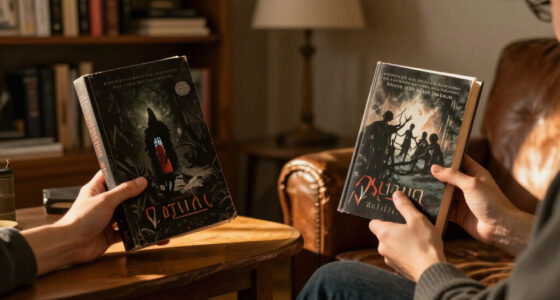

TL;DR
Start with “The Willows,” Algernon Blackwood’s signature story of two travelers facing an uncanny presence on the Danube. Pair it with “The Wendigo” for wilderness horror and “The Man Whom the Trees Loved” for a quieter, more mystical strain; then choose a collection by checking its table of contents, since editions with similar titles can contain different stories.
A riverbank can feel perfectly ordinary until the trees begin to seem like they are watching you. That shift—from scenery to presence—is Algernon Blackwood’s signature move, and it explains why his stories can unsettle readers more than a room full of familiar ghosts.
Blackwood (1869–1951) was an English writer best known for supernatural fiction in which nature, place, and atmosphere seem to possess their own intelligence. If you are wondering where to start with Algernon Blackwood, begin with a few short stories rather than a long novel: “The Willows” shows his most famous technique, while “The Wendigo” and “The Man Whom the Trees Loved” reveal two very different sides of his work.
This guide gives you a practical reading route, explains what to look for in collections such as The Listener and Other Stories and John Silence: Physician Extraordinary, and helps you choose an edition without assuming every book with a familiar title has the same contents. You will finish with a short list you can use at a library, bookstore, or digital archive.
Read “The Willows” first for Blackwood’s best-known use of landscape as a source of dread.
Pair “The Wendigo” with “The Man Whom the Trees Loved” to sample wilderness horror and quieter nature mysticism.
Choose John Silence: Physician Extraordinary for linked investigations, not a single continuous novel.
Check an edition’s contents page; books with the same collection title may contain different stories.
Use annotations to understand dated language and period context, especially in stories involving Indigenous settings or beliefs.
Why Blackwood’s landscapes still feel unsettling
Algernon Blackwood’s fiction turns the natural world into an active source of unease, so a forest, river, or mountain can feel less like a backdrop and more like a presence with its own agenda. His stories are often most effective when you cannot tell whether the characters face a supernatural force, a shift in perception, or something human understanding simply cannot contain.
Blackwood was an English writer best known for supernatural fiction, but his stories do not always work like a conventional ghost tale. A haunted house gives you a familiar frame: a building, a visitor, perhaps a spirit. In “The Willows,” by contrast, two travelers camp on islands in the Danube and gradually sense that the surrounding landscape is occupied by something they cannot explain. The river keeps moving, the willows press in, and ordinary details begin to feel charged.
That approach helped shape the modern weird tale, where uncertainty matters as much as the threat itself. Blackwood is often less interested than H. P. Lovecraft in building a detailed cosmic mythology; he leans toward awe, dread, and the limits of human perception. If you enjoy horror that makes a familiar walk through woods feel newly strange, his fiction can read like a trail map with the landmarks rubbed away.
Modern readers sometimes discuss Blackwood through the lens of ecological horror: stories in which nature resists human control. That is a useful present-day frame, not a term Blackwood used to describe his own work. It also helps explain why his best-known settings remain effective even when the prose feels slower than contemporary horror: the landscape itself keeps the pressure on.
Popular right now

Apple AirPods Pro 3 Wireless Earbuds with Active Noise Cancellation

KitchenAid Classic Series 4.5-Quart Tilt-Head Stand Mixer, Onyx Black

De'Longhi Magnifica Evo Fully Automatic Espresso Machine with Manual Milk Frother, Silver
As an affiliate, we earn on qualifying purchases.
Start with these three stories to hear his range
Start with “The Willows” if you want the clearest introduction to Blackwood’s signature blend of landscape, uncertainty, and supernatural dread. Add “The Wendigo” for a harsher wilderness adventure and “The Man Whom the Trees Loved” for a quieter, more lyrical story about a human bond with the woods.
- “The Willows” (1907): Two travelers camp on Danube islands and sense that the landscape is not empty. Read it for setting-driven suspense: the river, wind, and willows do the work a more modern story might assign to a visible monster.
- “The Wendigo” (1910): An expedition in the Canadian woods becomes increasingly uncanny. It suits readers who like wilderness horror and a steady escalation from outdoor adventure to something harder to name. Its use of Indigenous terminology and imagery reflects the period’s assumptions and may feel dated.
- “The Man Whom the Trees Loved” (1912): This quieter tale follows a man’s growing attachment to the woods and the effect it has on his marriage. Choose it when you want Blackwood’s nature writing and mystical atmosphere more than a direct scare.
These stories make a useful three-step sample because they show that Blackwood did not write one mood over and over. “The Willows” makes a campsite feel exposed, “The Wendigo” brings uncanny pressure into an expedition, and “The Man Whom the Trees Loved” lets strangeness gather slowly around domestic life.
For a first evening, read “The Willows” alone or with a small gap before bed, then try “The Man Whom the Trees Loved” the next day. If you prefer a more familiar ghost-story setup before you tackle the river islands, start with “The Empty House” (1906). A reader who likes compact tales of invisible presences can also try “The Listener” (1907).
Choose your next story by the kind of unease you enjoy
Choose your next Algernon Blackwood story by mood: “Ancient Sorceries” for folklore and an unsettling town, “The Empty House” for a recognizable haunted-house frame, or “The Listener” for a compact encounter with an unseen presence. This approach lets you explore his range without treating publication order as homework.
In “Ancient Sorceries” (1908), a traveler arrives in a French town whose atmosphere gradually pulls him into strange events. The story is a good fit if you like places that seem to change the people passing through them. It also shows how Blackwood can make unfamiliar streets and local folklore feel as threatening as a dark forest.
“The Empty House” gives you a more traditional ghost-story setup, which can make it an easy next read after “The Willows.” By comparison, “The Listener” works on a smaller scale: its eerie force comes from an invisible presence and the reader’s growing sense that something is wrong. Think of these as three different doors into the same house—one opens onto folklore, one onto a haunting, and one onto psychological unease.
You do not need to read them in the order they appeared. Blackwood wrote more than a dozen novels as well as many short stories, and his work appeared across numerous collections. If you are sampling him between other books, choose by atmosphere. If you are studying how his style changed, then publication order can give you a different, more historical reading experience.
Pick a collection that matches what you want next
The best Blackwood collection depends on whether you want a broad sample, linked investigations, or more mystical fiction. Begin with The Listener and Other Stories for an early story collection, try John Silence: Physician Extraordinary for recurring supernatural cases, and look to Incredible Adventures for a more visionary selection.
| Collection | What you get | Best fit |
|---|---|---|
| The Listener and Other Stories (1907) | An early collection featuring several important tales | Readers who want a grounded next step after one or two famous stories |
| John Silence: Physician Extraordinary (1908) | Linked stories about a physician investigating unusual cases | Readers who enjoy a recurring investigator and episode-based plots |
| Incredible Adventures (1914) | A collection associated with Blackwood’s more mystical and visionary fiction | Readers ready for a broader, more reflective experience |
| The Best Ghost Stories of Algernon Blackwood | A widely reprinted selection whose contents depend on the edition | Readers who want an anthology-style sampler |
John Silence is not a conventional single-plot novel. It brings the same investigator back across linked stories, so it feels more like a sequence of cases than one continuous journey. If you enjoy mysteries where each episode adds another shade to the central character, it can be a satisfying change after standalone tales.
For a longer work, consider The Centaur (1911) after you have read several shorter pieces. It develops Blackwood’s interest in nature, spiritual transformation, and human consciousness at greater length. A practical example: if you liked the mood of “The Man Whom the Trees Loved” but wanted more room to follow its ideas, a novel may suit you better than another short ghost story.
Check five details before you choose an edition
Before choosing an Algernon Blackwood edition, check the table of contents, the quality of the text, and whether the book includes useful notes. Familiar titles do not guarantee identical contents, and a “complete” label may not mean every story, essay, or version appears in the volume.
- Compare the contents. Two editions of The Best Ghost Stories of Algernon Blackwood can select different tales. If you are buying a copy to read “The Willows” and “The Wendigo,” confirm that both appear in that specific edition.
- Check the text and transcription. Low-cost reprints and online texts can preserve older spellings, introduce errors, or leave out editorial context. If a sentence looks oddly broken or a paragraph seems to jump, compare it with another reputable text.
- Look for annotations. Notes can clarify period references, British and Canadian settings, and language that now feels dated. They are especially useful when a story draws on cultural assumptions that a modern reader may want to recognize rather than absorb uncritically.
- Match the edition to your aim. A selected anthology is convenient for sampling; John Silence suits you if linked cases appeal; a complete or near-complete short-story edition serves a collecting or study goal.
- Read “complete” claims carefully. Blackwood’s output was extensive, so check what the editor means by “complete.” The label might refer to a specific sequence or category, not every piece he published.
Many early Blackwood texts are in the public domain in some countries, which makes free digital copies and inexpensive print editions available. Copyright rules vary by country, and modern introductions, notes, or editorial material may still be protected. If you read on a phone, a clean digital text is handy; if you collect, a sturdy edition with readable type and a clear contents page may matter more than a dramatic cover.
When you are standing in a shop with two similar-looking books, take a minute to scan the contents page before you compare covers. That small check can save you from buying a collection that repeats stories you already own while leaving out the one you came for.
Follow this reading path from one story to a whole shelf
A simple route into Blackwood takes you from three standalone stories to a collection, then to a longer work if you want more. Read “The Willows,” “The Wendigo,” and “The Man Whom the Trees Loved” first; after that, choose The Listener and Other Stories for variety or John Silence for linked investigations.
Step 1: Read “The Willows.” It gives you the clearest taste of Blackwood’s ability to make a landscape feel occupied. Notice how the story uses ordinary camping details—the river, the islands, the surrounding trees—to build pressure without rushing toward an explanation.
Step 2: Compare it with “The Wendigo.” Both stories place people in wild settings, but the mood and structure differ. If you like the shift from expedition narrative to uncanny threat, continue with more wilderness-centered fiction; if you find that setting less compelling, try the folklore of “Ancient Sorceries.”
Step 3: Read “The Man Whom the Trees Loved.” This choice shows you a softer, more reflective register. It is a good test of whether you enjoy Blackwood’s attention to nature even when a story does not push toward a conventional scare.
Step 4: Choose a collection by pattern. If you want varied standalone tales, look for The Listener and Other Stories or a selection anthology with a contents list you like. If the pleasure of an investigator returning to new cases sounds appealing, pick up John Silence: Physician Extraordinary.
Step 5: Move to a novel only if you want a slower, wider view. The Centaur gives Blackwood more space to develop his ideas about nature and consciousness. This route is flexible: if you are reading for one unsettling night, stop after “The Willows”; if you are building a small collection, use the stories to decide which format deserves shelf space.
Read the older stories with atmosphere and history in view
Blackwood’s fiction still works because its suspense relies on uncertainty and setting rather than modern technology, but some language and cultural portrayals reflect the period in which he wrote. You can appreciate his influence while also noticing where a story’s assumptions feel dated, especially in material involving Indigenous settings or beliefs.
“The Wendigo” is a useful example. Its Canadian wilderness setting drives the story’s tension, but its use of Indigenous terminology and imagery may trouble or distract contemporary readers. A well-edited edition with context can help you understand the historical frame without treating every period portrayal as neutral or accurate.
It also helps to separate Blackwood’s craft from the labels readers apply today. Contemporary discussion often places his work alongside weird fiction and ecological horror because his landscapes resist human control. That reading can be illuminating, but it does not mean Blackwood set out to write under those modern categories.
If you are reading with a book group, try a two-part conversation: first talk about how the story creates suspense, then ask what the text assumes about place, culture, and people. That approach keeps the discussion grounded in the page. It also lets you enjoy the strange hush of the woods without confusing atmosphere with historical endorsement.
Frequently Asked Questions
What is the best Algernon Blackwood story to read first?
“The Willows” is the strongest first choice for most readers because it shows how Blackwood turns an ordinary landscape into a source of supernatural dread. If you prefer a more familiar haunted-house setup, begin with “The Empty House” instead.
Is Algernon Blackwood difficult to read?
His prose is generally accessible, though it can feel more descriptive and gradual than modern horror. If you expect fast action, try a short story such as “The Listener” first and give the atmosphere time to build.
Should I read Blackwood’s stories in publication order?
No. Most stories stand alone, so a themed reading path works well for a first visit. Publication order is more useful if you want to follow how his style developed over time.
Is John Silence: Physician Extraordinary a novel?
It is a sequence of linked stories about a physician investigating unusual cases, rather than a conventional novel with one continuous plot. Check the edition’s contents, since presentations can vary.
Are Algernon Blackwood’s books free to read?
Many early texts are in the public domain in some countries and appear in digital libraries. Copyright rules vary by location, and newer introductions, notes, or editorial material may still be protected.
What should I read after “The Willows”?
Read “The Wendigo” if you want another wilderness story, or “The Man Whom the Trees Loved” if you want a quieter, more mystical treatment of nature. After those, choose a broad collection or move to John Silence for linked cases.
Conclusion
Start with “The Willows,” then let your reaction choose the next step: “The Wendigo” for wilderness dread, “The Man Whom the Trees Loved” for a quieter encounter with nature, or John Silence for linked cases. When you choose a book, check the contents before trusting the cover or the word “complete.”
Blackwood’s best stories leave you looking at the treeline a little longer than you planned. Begin with one tale, and see what the woods have to say.