
TL;DR
The best horror steelbooks worth collecting pair a film you love with strong artwork, a worthwhile disc edition, and extras you will actually enjoy. Start with enduring titles such as The Shining, Halloween, Alien, The Thing, or Scream, but check the exact edition, region compatibility, condition, and completed sale prices before buying. A limited label or 4K logo alone does not make a steelbook the best choice.
A horror steelbook can look like a tiny midnight movie poster, but the shiny metal shell does not tell you whether the release is worth owning. The disc inside may be a major restoration, a familiar Blu-ray, or a version with fewer extras than another edition of the same film.
This guide helps you choose the best horror steelbooks for your shelf by weighing the film, artwork, disc quality, bonus material, condition, and price together. You’ll see which classics and modern favorites make sensible starting points, how to compare editions, and what to check before paying extra for a supposedly scarce copy.
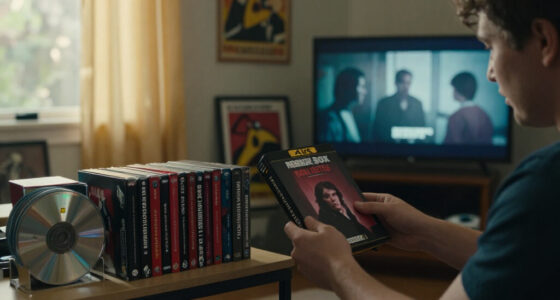
Think of collecting as building a small home cinema archive, not placing bets on future resale value. Whether you want a row of black-and-red classics or one beautifully designed edition of your favorite film, the best pick should feel rewarding when you pull it from the shelf and press play.
Choose a film you genuinely want to revisit before chasing a scarce edition.
Compare the exact release’s discs, transfer, extras, region compatibility, artwork, and included inserts.
Treat 4K packaging as a format detail, not a guarantee of superior picture or sound.
Inspect used cases for dents, scratches, spine damage, disc condition, and missing materials.
Set a spending limit and collect for enjoyment; limited status does not promise resale value.
What makes a horror steelbook worth keeping?
A horror steelbook is worth keeping when its film, presentation, and contents make you glad you own that specific edition. The metal case is only the first attraction; a useful release also gives you a movie you want to revisit, artwork that suits it, and discs or extras that offer more than decoration.
Start with the film itself. The Shining, Halloween, The Thing, Alien, and The Texas Chain Saw Massacre have lasting audiences, so their editions can appeal beyond a fleeting packaging trend. If you already return to The Thing every winter, for example, a steelbook with striking icy artwork may make more sense for your shelf than a scarce release of a film you barely remember.
Then check the edition’s actual contents. A 4K Ultra HD disc, HDR presentation, restoration, commentary, documentary, or archival material can add viewing value, but none is automatic just because the case looks premium. A standard Blu-ray with a useful documentary may suit you better than a thinly supplemented 4K edition. Picture and sound depend on the specific transfer and presentation, not just the format label.
Finally, look at how the design works as an object. Front art, interior printing, spine treatment, and a slipcover can turn the case into a miniature display piece. A bold alternative design can be more appealing than familiar theatrical art, provided the release still contains the film and features you want. For a collector, the satisfying combination is a movie you care about and an edition that earns its place.
Popular right now

KitchenAid Classic Series 4.5 Quart Tilt-Head Stand Mixer K45SS, Onyx Black

Bose QuietComfort Wireless Noise-Cancelling Over-Ear Headphones, Black

Dyson V8 Cyclone Cordless Vacuum
As an affiliate, we earn on qualifying purchases.
Which horror steelbooks give different collectors a good starting point?
Best horror steelbooks depend on what you collect: genre landmarks suit a foundational shelf, modern favorites bring it up to date, and cult films can reward you with distinctive artwork or substantial extras. There is no single definitive ranking, because a beloved film in a modest edition can matter more to you than a rare title you never watch.
For classics, consider The Shining, Halloween, Alien, The Thing, and The Texas Chain Saw Massacre. These films have recognizable visual identities and enduring fan bases, which makes them natural anchors for a collection. Picture a shelf where the stark isolation of The Shining sits beside the cold blue atmosphere of The Thing: the titles feel related, but each brings a different design language.
Modern genre favorites can balance that row. Scream, Get Out, Hereditary, A Quiet Place, and The Conjuring let you collect across different eras and styles. If you are building a shelf around films you watch with friends, a familiar crowd-pleaser like Scream may see more use than a rarer title that stays sealed in a cabinet.
Cult choices such as Evil Dead II, The Fly, Suspiria, and Candyman may stand out when their release includes a considered restoration or deep extras. Treat these as titles to investigate, not promises about a particular edition: artwork, availability, and contents change by country and release. A practical first shortlist might include one classic, one modern favorite, and one cult pick you genuinely want to revisit.
- For a first steelbook: Choose a film you already love, then compare its disc and artwork options.
- For a display-focused shelf: Look for cohesive design, readable spines, and interior art you enjoy.
- For film-history extras: Check for commentary, interviews, documentaries, and archival features.
How do you compare the editions before you buy?
Horror steelbooks combine collectible metal packaging with a film release, but editions of the same movie can differ in disc format, extras, artwork, and region compatibility. Compare the precise release rather than trusting a product photo or a broad title listing; the small print often decides whether the purchase fits your player and your collection.
| What to compare | Why it matters | Practical example |
|---|---|---|
| Disc format and transfer | The case does not determine picture quality. | Compare a 4K disc and its HDR presentation with reviews of the actual transfer. |
| Bonus features | Extras can make an older film more rewarding to revisit. | Check whether a release includes commentary, interviews, or a documentary. |
| Artwork and packaging | Design affects display appeal and the edition’s identity. | Look at the front, spine, interior, and any slipcover—not only the front image. |
| Region and included discs | A Blu-ray in a multi-disc package may have playback limits. | Confirm your player can handle every disc, not only the UHD disc. |
| Condition and completeness | Dents and missing inserts change the ownership experience. | Ask about scratches, spine damage, disc condition, and included booklets. |
That comparison matters because a familiar-looking release can hide a different set of contents. You might find two editions of Halloween with similar artwork but different discs, bonus features, or regional versions. Check the release year, country, catalog number, and contents list before you decide which one belongs in your collection.
A 4K Ultra HD label is not a quality report by itself. Look for information on the transfer, HDR grading, sound mix, and extras, and remember that results vary by title. A Blu-ray with a well-regarded restoration and meaningful documentary material may be a more satisfying choice than a newer package that mainly changes the artwork.
The same goes for digital codes and inserts. Some releases include them, but codes can be region-specific, expired, or already redeemed in a used copy. If a listing mentions a code, ask whether it is unused instead of treating its presence on the package as proof that it will work.
How can you buy a steelbook without chasing a misleading bargain?
To buy a horror steelbook wisely, identify the exact edition, verify its contents and condition, and set your spending limit before hunting for it. That order helps you separate an edition you genuinely want from a dramatic listing that relies on words like “rare” or “limited” without showing useful details.
- Write down the exact edition. Note the release year, country, catalog number, artwork, and discs you want. This is especially helpful when a film has several versions.
- Check playback compatibility. Confirm your player handles the UHD and Blu-ray discs included. UHD discs are generally region-free, but included Blu-rays may not be.
- Read the complete contents list. Compare cuts, audio options, bonus features, booklets, and any digital copy. A familiar case may contain a different package from the one you expected.
- Set a price ceiling. Decide what the film and presentation are worth to you before looking at resale listings. A high asking price does not prove buyers regularly pay it.
- Inspect used copies carefully. Ask about dents, scratches, paint chips, spine damage, discs, and missing inserts. For a sealed copy, check that the seal and packaging appear consistent with the listing.
Imagine you find a sold-out steelbook of Alien with a striking cover. Before buying, confirm which discs it includes, whether its Blu-ray works in your player, and whether the seller has photographed the actual case. A polished stock image cannot show a dent across the spine or a missing booklet.
Scarcity can shape demand, but limited does not automatically mean rare or valuable. A title may return in a new design or another format, and resale prices can rise or fall. Compare completed sales where available rather than treating current asking prices as evidence of value. The strongest reason to buy remains that you want the film and appreciate the edition.
How should you balance display appeal with film quality?
The best balance is an edition whose packaging excites you without asking you to ignore what is on the discs. Steelbooks stand out on a shelf, but the strongest collection pairs that visual pleasure with films, transfers, and extras you actually use. One carefully chosen case can deliver more satisfaction than a row of impulse buys.
Artwork has real value for collectors. A dark, minimal design for The Shining can feel like a quiet doorway into the film, while vivid color may suit the heightened visual style of Suspiria. Look at the interior as well as the cover: a printed image inside the opened case gives you another design to enjoy, even when the steelbook spends most of its life on a shelf.
But packaging changes are not the same as disc upgrades. A new steelbook may reuse existing discs, while another edition might improve the transfer or add substantial archival features without using metal packaging. If you already own a version with the picture, sound, and extras you want, a reissue needs to offer a design you truly love to justify taking up more shelf space.
Storage also affects the pleasure of collecting. Keep cases upright, away from moisture and direct sunlight, and consider protective sleeves if scratches or shelf wear bother you. For example, a packed shelf where cases scrape against one another can leave fine marks on a glossy finish. Give display pieces a little breathing room, and treat condition as part of the object, not an afterthought.
Collector’s rule: Buy the steelbook because you want the film or the edition—not because a listing promises future profit.
That rule leaves space for personal taste. You may favor a well-restored Blu-ray in elegant packaging over a 4K release with fewer features, or prefer a standard case because the film matters more than the metal. The right choice depends on your player, your shelf, and what makes you reach for a movie again.
What do changing release trends mean for your collection?
Home-video collecting keeps shifting toward 4K releases, restoration-focused editions, and premium packaging, while boutique labels help older horror films stay in circulation. For you, that means a sold-out steelbook is not always the last chance to own a film in a strong edition; another format or later release may arrive with different artwork or extras.
Horror suits careful restoration because viewers often notice texture, shadow, grain, and sound. A well-presented release can reveal details in a dark corridor or preserve the film’s grain rather than smoothing it away. Still, a 4K logo alone does not tell you how a particular transfer looks. Check title-specific reviews and official product details before upgrading from a disc you already enjoy.
Steelbooks also compete with slipcovers, hardboxes, book-style editions, and larger collector’s sets. Each format offers a different tradeoff: a steelbook gives you a durable metal display case, while a book-style set may provide more room for essays or images. If your shelf is tight, compare dimensions and contents instead of assuming metal packaging is automatically the most complete option.
Artwork-led reissues create another choice. A new design can be worth owning even if the discs remain unchanged, especially when the original packaging does not suit your display. But if you are buying for a technical upgrade, verify that the release actually changes the transfer, audio, cut, or bonus material. Think of it like choosing between a new poster for a familiar film and a new restoration: both can appeal, but they offer different things.
Release dates, stock, and availability differ by country and retailer. Check the studio, label, or retailer’s official information for the exact edition, then treat resale-market claims with care. A specific, verified contents list is more useful than a vague promise that a release is exclusive or hard to find.
Frequently Asked Questions
What is a steelbook?
A steelbook is a disc release packaged in a reusable metal case, usually with printed exterior artwork and sometimes interior art. The case makes the release collectible, but it does not automatically improve the film’s picture or sound.
Are steelbooks better than regular Blu-rays?
Steelbooks offer distinctive packaging, not necessarily better playback. Compare the discs, transfer, audio, and bonus features; a regular Blu-ray may contain the edition you prefer, while a steelbook may be the better display piece.
Is a 4K horror steelbook always the best edition?
No. A 4K label does not guarantee the best transfer, HDR presentation, sound mix, or extras. Check information about that specific release, and compare it with existing Blu-ray editions before upgrading.
Which horror steelbooks are good for a beginner?
Begin with films you already love, then compare editions of genre landmarks such as The Shining, Halloween, Alien, The Thing, or Scream. Choose one with artwork you enjoy and discs that work with your player rather than buying several titles just because they are popular.
Are horror steelbooks a good investment?
They can rise or fall in resale value, and limited status alone does not guarantee demand. Buy primarily because you want the film or appreciate the edition, and compare completed sales rather than relying on high current asking prices.
How can I protect a steelbook from damage?
Store it upright, away from moisture and direct sunlight, and avoid packing cases so tightly that they scrape together. A protective sleeve can help reduce surface scratches; inspect used copies for dents, paint chips, spine damage, and disc condition.
Conclusion
Choose a horror steelbook by asking one simple question: Would I still want this edition if it never became more valuable? If the film matters to you and the artwork, disc, or extras make the experience better, it has earned its place.
Check the edition, protect the case, and buy with your own shelf in mind. The best collection is not the rarest one—it is the one that makes you want to dim the lights and press play.