
TL;DR
To style a dark academia bookshelf, start with books you enjoy, then build a warm palette with wood, paper, brass, leather, and a few personal objects. Mix upright books with small horizontal stacks, leave some open space, and keep heavy or frequently used books easy and safe to reach. You can create the look on a budget, in a bright room, or on a single shelf.
A bookshelf can feel like a room within a room: one glance, and you see what someone reads, keeps, and remembers. Dark academia style turns that everyday storage into a warm, collected display, with books at the center and a few well-chosen details around them.
Dark academia is an interior style inspired by old libraries and classical study rooms. You don’t need a grand house, a wall of antique books, or a dark-painted bookcase to make it work. In this guide, you’ll learn how to shape a balanced shelf with the books you own, use color and texture without making the room gloomy, and add atmosphere while keeping your collection easy to use.
Think of the process like setting a table for a long evening of reading: every piece has a place, and there’s room to reach what you need. Start with one shelf, notice what already works, and build from there.
Start with books you enjoy; no prescribed classics list is needed.
Repeat two or three warm colors to connect books and objects without forcing every spine into color order.
Mix upright rows with short, stable horizontal stacks, and use each stack for at most one small object.
Leave open space so titles stay easy to reach and the display doesn’t feel crowded.
Build the look with what you own and secondhand finds, one shelf at a time.
A practical guide · Collected, not coordinated
How to Style Dark Academia Bookshelves at Home
Turn everyday storage into a warm reading nook with books you love, a restrained palette, layered texture, and room to breathe.
No grand library, antique collection, or dark-painted bookcase required.
01 / Start with what matters
Let your reading lead
The atmosphere comes from thoughtful choices and a lived-in mix—not from a prescribed classics list or a shelf arranged like a showroom.
Books you reach for
Gather favorite novels, poetry, history, art, cookbooks, or travel writing. Group by author or subject when that helps you find them.
Mix editions and eras
Clothbound covers, worn jackets, and striking paperbacks all bring texture. A book that gets opened belongs on the shelf.
Give larger books support
Place heavy art books flat on sturdy lower shelves, with smaller volumes nearby. Varied heights create a gentle rhythm.
02 / Build a warm palette
Rich tones, without a gloomy room
Let book covers and wood do most of the work. Repeat a few colors in small details to make the whole arrangement feel connected.
- 1Pick two or three colors to echo across book spines, prints, and objects.
- 2Keep your existing shelf. White shelves can make navy, green, brass, and cream accents stand out.
- 3Balance color with browsing. Group by topic or author, then adjust a few books for visual flow.
03 / Shape the shelf
Vary the rhythm. Keep books usable.
Upright rows make titles easy to scan. Short, stable stacks add a change of shape and can hold one light decorative object.
Keep frequently used titles visible and easy to pull out.
Lay two to five similar-sized books flat and level.
Try a vessel, smooth stone, or brass magnifying glass.
Keep titles visible; remove anything that feels unstable.
Three poetry books + a brass accent
A small object resting on a stable stack creates a focal point. Leave nearby spines clear so the shelf still works for everyday reading.
A bookshelf can feel like a room within a room: every object has a place, and there is room to reach what you need.
Think of the arrangement like setting a table for a long evening of reading.
04 / Add meaning and texture
Choose details with a story
A few evocative objects and tactile materials create depth. Personal history can make a modest find more memorable than a matched set.
Brass accents
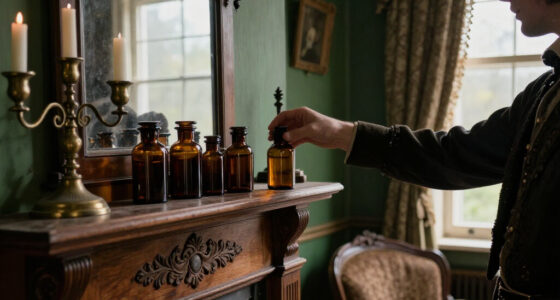
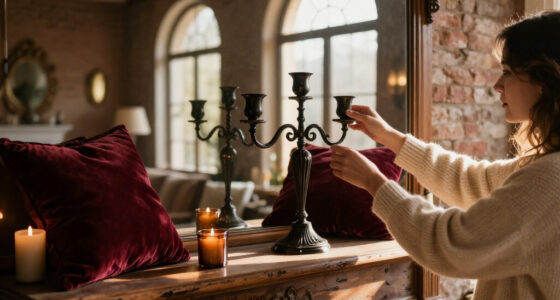
A candlestick, small clock, or magnifying glass adds a glint. An unlit candlestick gives the same visual note without an open flame.
Prints and keepsakes
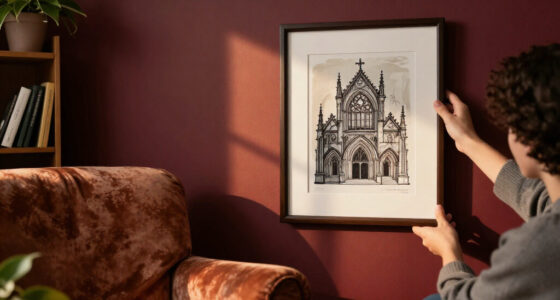
Frame a museum postcard, a pencil sketch, or a small image that means something to you.
Vessels and small finds
A ceramic cup, inherited piece, or secondhand treasure adds a lived-in note. Keep fragile items away from busy reaches.
Materials that add depth
Let texture do more than decoration
Wood, worn book covers, and tactile paper build a warm atmosphere without crowding the shelf or buying a coordinated set.
05 / Make it fit your home
One shelf is enough to begin
The look adapts to small apartments, bright rooms, rentals, and modest budgets. Start with what is already on hand, then build gradually.
Reuse and thrift
Rearrange your books, shop secondhand, and skip filler decor. Style one shelf at a time.
Keep the daylight
Use darker covers and warm accents as contrast. A dark bookcase is optional.
Leave breathing room
Keep favorite titles in reach, heavy books on sturdy lower shelves, and objects away from paper and busy hands.
Start With Books You Actually Want to Read
To style dark academia bookshelves at home, begin with books you enjoy or want within reach, then arrange them so the shelf feels collected rather than bought as a set. Classics, poetry, history, and art books often fit the mood, but there’s no required reading list. Your shelf should reflect your curiosity, not a costume version of it.
Pull your books together and group them in a way that helps you find them. You might keep novels by author, put poetry and essays together, or gather art books in one place. A reader who reaches for Mary Shelley, Shirley Jackson, and a modern collection of ghost stories can display them alongside cookbooks or travel writing. The mix makes the shelf feel lived in.
Now look at the covers and spines. Clothbound editions and worn jackets bring natural texture, but a paperback with a striking charcoal or burgundy cover can do just as much for the palette. Keep sentimental or frequently read books where you can reach them. A book that gets opened has more life than one chosen only to match the room.
If a shelf looks uneven because a few books are much taller, work with that difference. Place large art books flat on a sturdy lower shelf and stand smaller volumes beside them. The varied heights make a gentle rhythm, like a row of old rooftops, while keeping the books easy to pull out.
Popular right now

Dreame H12 Pro Wet and Dry Vacuum Mop

Apple AirPods Max 2 Wireless Over-Ear Headphones – Midnight

KitchenAid Classic Series 4.5-Quart Tilt-Head Stand Mixer, Onyx Black
As an affiliate, we earn on qualifying purchases.
Build a Warm Palette Without Painting the Bookcase
Dark academia bookshelves at home feel cohesive when their colors draw from a restrained, warm palette: deep brown, oxblood, forest green, navy, charcoal, cream, and muted gold. Let the book covers and the wood supply most of those tones. You can create contrast with a few lighter objects, so the display reads as rich and layered instead of dim.
A dark bookcase can anchor the look, but it isn’t a requirement. If your rental has white shelves, try grouping navy and green book spines with a small brass candlestick, a cream ceramic bowl, or a framed print. The white backdrop will make those details stand out. In a bright room with pale walls, the contrast can feel like a shadowed reading nook without swallowing the daylight.
Before rearranging everything, choose two or three colors to repeat. For example, a stack of burgundy poetry books might echo a dark red print on another shelf, while a brass object picks up the warm tone of a wooden frame. Repeating a few colors ties separate objects together even when they came from different places.
There’s a tradeoff between color grouping and quick browsing. Sorting every book by spine color can make a striking display, but it may scatter authors and subjects across the shelves. If you reach for books often, group by topic first, then shift a few volumes within each group to balance the colors. You’ll keep the collection useful and the overall effect composed.
Mix Upright Rows With Small, Stable Stacks
Mix upright books and short horizontal stacks to give a bookshelf visual rhythm while keeping most titles easy to scan. Upright rows make books simple to find; a flat stack breaks up the line and can provide a base for one small object. Use the two arrangements in alternating pockets, rather than laying every other book down.
Try this simple sequence on one shelf:
- Stand the books you use most in a row, with their titles visible and their spines supported.
- Lay two to five similar-sized books flat at one end of the row, keeping the stack level.
- Place one light object on top, such as a small ceramic vessel or a smooth stone that you collected on a trip.
- Step back and edit if the object hides a title or makes the stack look precarious.
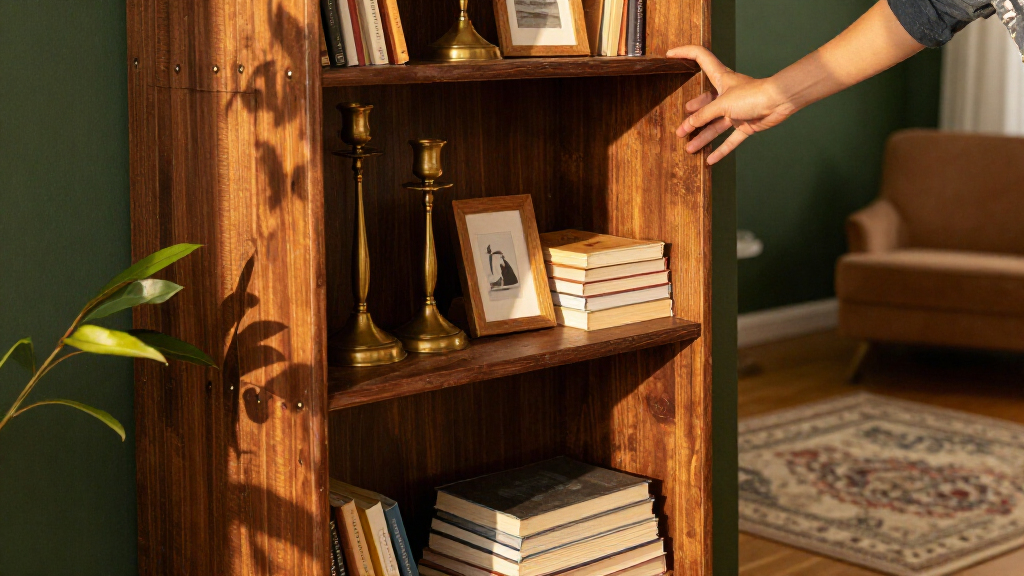
Imagine a stack of three slim poetry books with a little brass magnifying glass resting on top. It creates a focal point without making the shelf hard to use. By contrast, a heavy bust on a high stack can look imposing and be awkward to lift when you want the book underneath. Keep weight and access in mind.
Not every shelf needs both arrangements. A row of reference books may work best upright, while a display shelf can use a wider flat stack. The goal is a varied cadence: a run of spines, a pause, then another cluster. Like changing the pace of a sentence, that pause helps your eye settle.
Add Objects That Make the Shelf Feel Personal
Choose a few objects that bring meaning, texture, or a clear focal point to dark academia bookshelves at home. A brass candlestick, small bust, framed print, magnifying glass, vintage-style clock, or ceramic vessel can suit the look. The strongest display usually gives each object enough room to be noticed instead of covering every gap with decoration.
Personal history can make a modest object feel more interesting than an expensive new accessory. A framed postcard from a museum, a small cup inherited from a relative, or a pencil sketch from a weekend class can sit beside books and tell a story about the person who lives there. An old brass candlestick from a thrift shop also works, even if it has a small scratch or uneven patina.
Think about safety and use as you choose pieces. If you display a candle, keep it away from paper and don’t leave it burning unattended; an unlit candlestick can give you the same visual note. Keep fragile pieces where they won’t be bumped by a door or by a hand reaching for a book. On a narrow shelf, one compact object may feel calmer than three competing shapes.
For a small apartment, edit the scale. A postcard-sized print and a tiny vessel can create a complete vignette on one shelf without taking over the room. You can also rotate objects seasonally: a framed winter print might give way to a pressed-leaf picture in autumn. The books stay put, while small details keep the display fresh.
Layer Texture and Leave Room for the Books to Breathe
Dark academia style gets much of its depth from materials rather than from a large number of objects. Wood, leather, paper, linen, brass, and ceramic each catch light differently, so even a small shelf can feel varied. Leave open space around those textures, too; a clear patch of shelf gives the eye a place to rest and lets the books stand out.
For example, place worn paperbacks on a wooden bookcase beside a linen-covered notebook and a small brass frame. The surfaces share a warm, aged quality without matching. If your shelf is plain white metal, you can bring in warmth with the books, a wooden frame, and a linen object instead of replacing the furniture.
Open space isn’t wasted space. A narrow gap between book groups makes titles easier to pull out, and it can help a display feel intentional rather than packed. Try removing one decorative object or shifting a stack a few inches; sometimes that small edit makes a shelf look more finished than adding another accessory.
Use secondhand finds and pieces already at home before buying decor. A worn book cover, inherited frame, or thrifted ceramic bowl can contribute texture with a story attached. If an object doesn’t have personal meaning and doesn’t improve the balance, leave it in the cupboard. A shelf doesn’t need to look full to feel complete.
Make the Look Work in Bright Rooms and Small Spaces
You can bring dark academia bookshelves at home into a bright room or small apartment by styling one contained area with deeper colors and warm materials. The bookcase can stay light; a cluster of darker spines, one framed print, and a nearby reading lamp can suggest a quiet study without making the whole room feel heavy.
In a studio apartment, style a single shelf rather than trying to give every book a decorative treatment. Put everyday paperbacks within reach, then reserve one short section for a few favorites and a small object. If the shelf sits beside a desk, keep workbooks and reference guides together so the display remains useful during a busy week.
Lighting changes the mood and the usefulness of a bookcase. A nearby table lamp with a warm glow can soften dark covers after sunset, while a dedicated reading light should still provide enough light to read comfortably. In daylight, avoid placing delicate or valuable books where long exposure to direct sun may fade their covers; a spot out of the strongest glare is a sensible choice.
Think of the shelf as an island of atmosphere in a brighter room. A pale wall, a sunny window, and a dark green row of books can look balanced because the light background gives the deeper tones space. You don’t have to dim the whole room to get the mood; a little contrast often does more.
Keep Your Books Easy to Find and Safe to Reach
A good dark academia bookshelf should still function as storage: keep the books you reach for often accessible, place heavy volumes on sturdy lower shelves, and avoid packing shelves beyond their rated capacity. The display works best when you can take down a book without shifting a fragile object or tugging a whole row out of place.
Before styling, check that the bookcase is stable and suited to the weight of your collection. Large art books and hardback volumes can add up quickly, so spread them across sturdy shelves rather than stacking them all high. A low shelf is a sensible home for the heaviest books, especially in a household where children or pets may brush against the furniture.
Keep a small amount of room around books so you can slide one out without scraping its cover. If you sort by subject, a modest label or a consistent group can help you remember where titles belong. A reader with a growing poetry collection might reserve one section for poetry, then keep novels and reference books in separate clusters.
Open-backed shelving needs extra thought when you can see it from both sides. Position the books so their spines and objects look tidy from the room, and don’t put unstable stacks where someone might bump them while walking past. If a display feels fussy to maintain, simplify it. The best shelf is one you can live with on an ordinary Tuesday.
Create the Atmosphere Gradually on Any Budget
You can create dark academia bookshelves at home on a budget by using what you own, looking secondhand, and styling one shelf at a time. The atmosphere comes from the relationship between books, warm materials, personal objects, and open space; a coordinated shopping list can’t supply the same sense of history as things chosen over time.
Start by rearranging the books and decor you already have. Move a wooden frame from a side table, gather dark-covered books from different rooms, and try a small horizontal stack. Take a quick photo from across the room. The picture can make crowded spots or awkward gaps easier to see than staring at the shelf up close.
If you want to add something, look at thrift shops, library sales, used-book stores, or family hand-me-downs. A secondhand brass frame may have a few scuffs, and an old hardback may have a softened spine; those small signs of use can lend character. Choose pieces you’d keep even if you changed the room later, rather than filler bought to complete a look.
Dark academia is flexible enough to blend vintage references with contemporary furniture and everyday books. A modern bookcase can hold old editions, current novels, a ceramic object, and a bright desk lamp. That mix feels personal because it belongs to a real home. Add slowly, and let the shelf change as your reading life changes.
Frequently Asked Questions
Do all the books need to be classics?
No. Use books you actually like, whether that means classic novels, contemporary fiction, poetry, history, or cookbooks. The mood comes from the palette, materials, and arrangement, not a required reading list.
How can I get the look without painting my shelves dark?
Keep the bookcase as it is and use darker book covers, warm-toned objects, framed art, or wood and brass accents. A white shelf can make forest green and oxblood covers stand out beautifully.
How do I style a dark academia bookshelf on a budget?
Rearrange books and objects you already own, then look for secondhand frames, used books, and small ceramics if you want to add something. Style one shelf at a time and skip decor that only fills a gap.
Should I arrange books by color or by subject?
Choose the system that suits how you use your books. A mixed approach works well: group by subject or author, then balance the visible colors within each group.
How do I keep the shelves from looking cluttered?
Vary the book groupings, limit decorative objects, and leave a few open patches of shelf. If you have to move several objects to reach a book, remove or relocate one of them.
Can dark academia work in a bright room or a small apartment?
Yes. Style a single bookcase or one section of shelving with deeper colors and warm textures, while keeping the rest of the room light. A nearby reading lamp can add evening warmth without making the space gloomy.
Conclusion
Start with the books you love, then add just enough warmth and texture to make them feel at home: a repeated color, a personal object, a little open space. Keep the heavy volumes low and your favorite reads within reach. A bookshelf with room for use will always feel more convincing than one arranged only for a photograph.
Let the shelf grow slowly, like the reading life it holds. The best dark academia corner is the one that makes you want to pull a book down and stay awhile.