TL;DR
Ideal Home reports that fresh, unseasoned pumpkin can be offered to garden birds in a hanging feeder after Halloween. Bird specialist James Ewens advises removing coatings, avoiding mouldy pumpkin and keeping it out of reach of hedgehogs, whose digestion can be upset by pumpkin.
Fresh leftover Halloween pumpkin can be offered to garden birds in a hanging feeder, according to wildlife advice cited by Ideal Home, but it should not be left where hedgehogs can reach it. James Ewens, a bird specialist at Green Feathers, says pumpkin must be free of mould, coatings and added seasonings before it is put out.
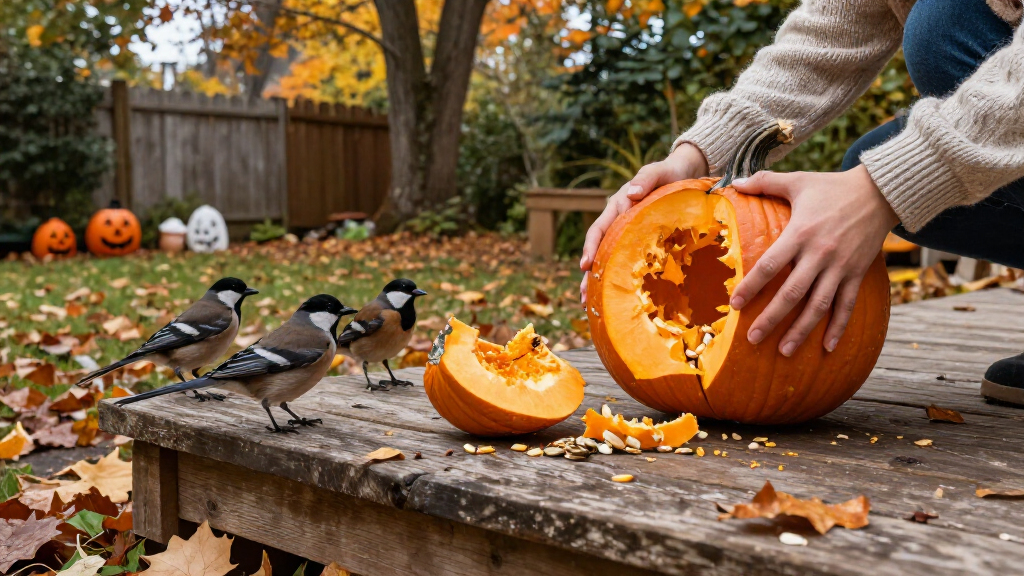
Ewens advises placing chopped pumpkin flesh or seeds in a hanging feeder rather than on the ground. Ideal Home’s report says the placement is intended to make the food accessible to birds while keeping it away from hedgehogs. Ewens warns that hedgehogs may eat pumpkin, but that it can upset their digestion and contribute to dehydration, when they need to build fat reserves before hibernation.
Freshness and preparation matter. Ewens says mouldy pumpkin can be dangerous or fatal to birds and advises against feeding them pumpkin that has been left out for a week. He also recommends removing paint and other added materials, and washing the pumpkin with warm water only, without soap or chemicals, to remove waxes or coatings.
For seeds, the advice is to scoop them out and rinse away the stringy pulp. They can be offered fresh or dried for later use, but should not be salted, oiled, sugared or spiced. Ewens says whole seeds suit larger birds such as jays, woodpeckers and nuthatches; chopping them can make them easier for smaller birds, including tits and finches, to eat.
A Safer Way to Reuse Pumpkin
Using suitable pumpkin as supplementary food may give garden birds another food source during colder weather, when natural food can become scarce and birds use energy to stay warm. Ewens describes pumpkin seeds as high in protein and healthy fats, while the flesh provides water and fibre. These are his nutritional characterisations; the report does not present a feeding trial or quantify the effect on birds.
The placement guidance also matters for other wildlife. Leaving pumpkin on the ground could allow hedgehogs to eat it, so a hanging feeder is recommended as a precaution. For people with leftover carved pumpkins, the advice offers a possible reuse option, but only if the pumpkin remains fresh and has not been treated with paint, coatings or seasoning.
Popular right now

Ninja CREAMi 7-in-1 Ice Cream Maker, NC299AMZ

TCL QM64L 85-Inch QD-Mini LED 4K Smart Fire TV

KitchenAid Classic Series 4.5-Quart Tilt-Head Stand Mixer, Onyx Black
As an affiliate, we earn on qualifying purchases.
Why Feeder Placement Matters
The report addresses a seasonal question: how to dispose of pumpkins after Halloween. It presents feeding birds as one option for gardeners who already attract birds, rather than suggesting that pumpkin should replace a bird’s usual diet or other established feeding practices.
Ewens says hedgehogs are primarily insectivores and recommends meaty cat or dog food, or specialist hedgehog food with a shallow dish of water, for people wanting to help them. The central distinction in the advice is between offering pumpkin to birds in a hanging feeder and leaving it accessible to wildlife on the ground.
“Pumpkins can upset their digestion, which leads to dehydration”
— James Ewens, bird specialist at Green Feathers, as quoted by Ideal Home
Limits of the Feeding Advice
The report does not specify how much pumpkin to put out, how often to refill a feeder, or how long fresh pumpkin can safely remain in it. It also does not provide research measuring the benefits of pumpkin for birds or establish that every species will eat it. Its guidance is attributed to Ewens and is presented as seasonal wildlife advice.
Conditions vary, so the report’s freshness warning is more specific than a general time limit: it says not to offer week-old pumpkin and to avoid any that has developed mould. The article does not give separate storage instructions for pumpkin kept indoors before feeding.
Check Before Putting Pumpkin Out
Anyone following the advice should first inspect leftover pumpkin for mould and remove any paint, wax or other added material. Wash it with warm water without soap or chemicals, then offer only plain flesh or rinsed seeds in a hanging feeder. Do not put salted, oiled, sugared or spiced seeds out for birds.
Keep checking the feeder and remove pumpkin if it becomes mouldy or otherwise spoiled. If the aim is to support hedgehogs, Ewens recommends specialist hedgehog food or meaty cat or dog food and a shallow dish of water instead. The report does not announce a new policy or scheduled follow-up; it provides practical advice for the post-Halloween period and colder months.
Key Questions
Can I put leftover pumpkin out for garden birds?
Yes, if it is fresh and untreated. The advice cited by Ideal Home is to offer chopped pumpkin flesh or seeds in a hanging bird feeder.
Why should pumpkin not be left on the ground?
Bird specialist James Ewens warns that hedgehogs may eat pumpkin and that it can upset their digestion. A hanging feeder is recommended to help keep it out of their reach.
How should pumpkin seeds be prepared?
Scoop out the seeds, rinse away the stringy pulp, and offer them fresh or dried. Do not add salt, oil, sugar or spices; chop seeds if needed for smaller birds.
Can birds eat a carved pumpkin that has been outside for several days?
Only if it is still fresh and free of mould and added materials. Ewens warns against offering week-old pumpkin and says mouldy pumpkin can be dangerous or fatal to birds.
Source: idealhome.co.uk
Halloween Picks

JOYIN 5-Foot Halloween Animatronic Drinking Skeleton

Panefright Halloween Window Projector – Scary Projector for Spooky Decor

Kalolary 12ft Halloween Witch Haunted House Inflatable Archway
As an affiliate, we earn on qualifying purchases.